


Walking with Mary and Paul in Malta
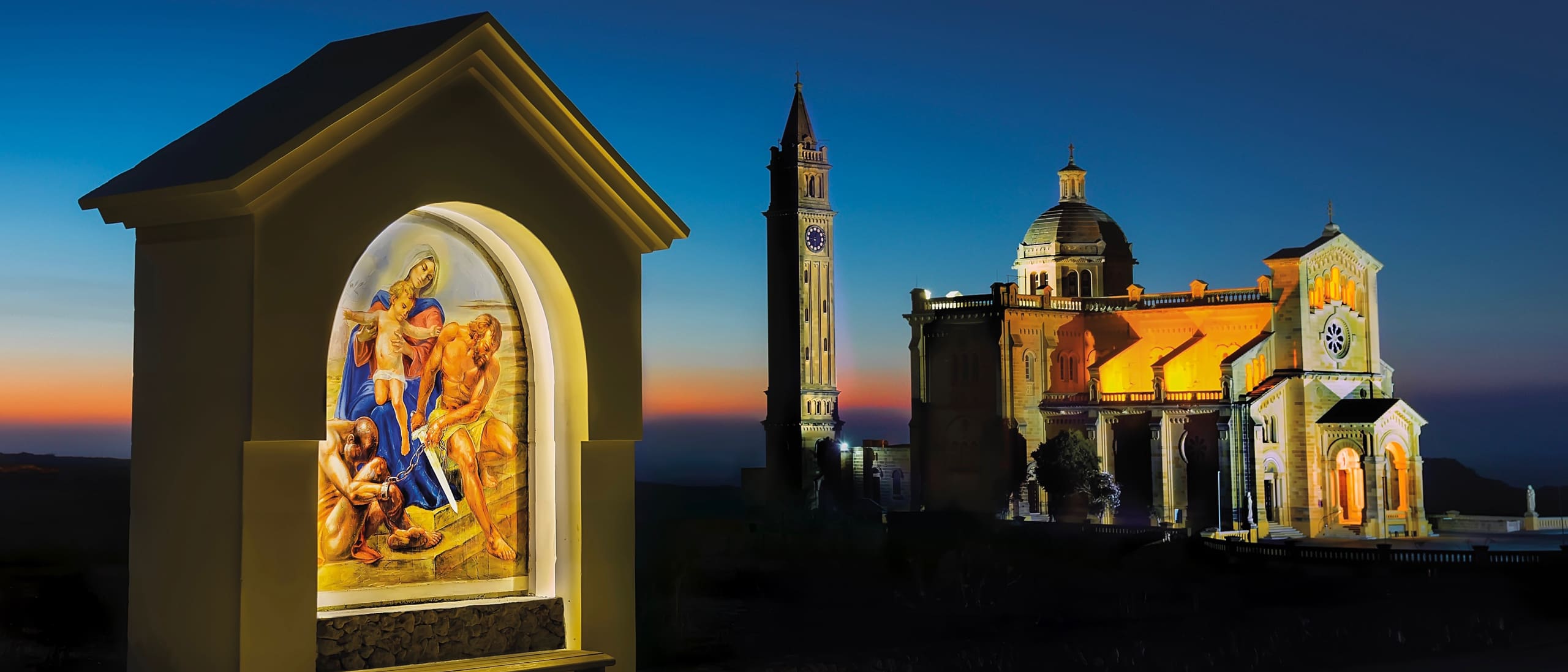
The Basilica of the National Shrine of the Blessed Virgin of Ta' Pinu, photo by Daniel Cilia;
all photos courtesy Visit Malta
Sponsored Content
By Jean Pierre Fava, VisitMalta and Daniel Esparza
Pilgrimages were always important manifestations of every civilization created by Sapiens because they provide a metaphorical and spiritual path to connection with the divine. They are also physical and spiritual journeys to sacred sites associated with religious events, saints, relics or places of worship. The Psalms describe pilgrimage as a longing for communion with God and a desire to find God’s dwelling place. In the New Testament, pilgrimage takes on new dimensions with the life of Jesus Christ, including his journey to Jerusalem for the Passover and his subsequent crucifixion and resurrection.

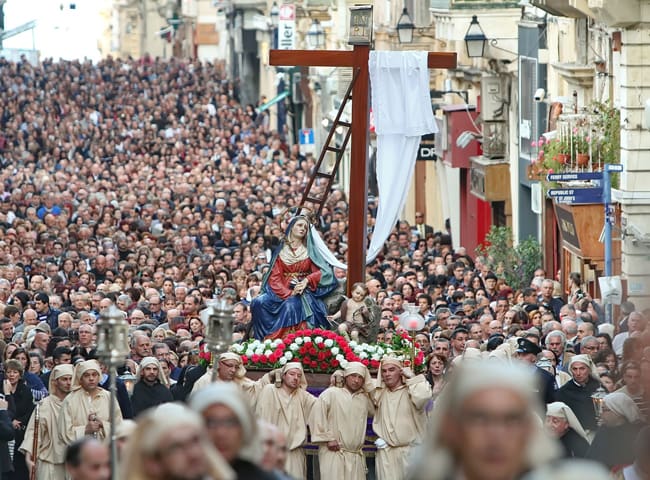
Malta, with its rich Christian heritage, offers a unique kind of spiritual contemplation. Ancient catacombs, pilgrimage trails, Saint Paul’s Shipwreck, Baroque cathedrals and Byzantine cave churches, invite contemplation. Despite the archipelago’s small size, these routes offer an exceptional experience into Maltese spirituality, allowing pilgrims to travel through landscapes rich in religious history and cultural significance.
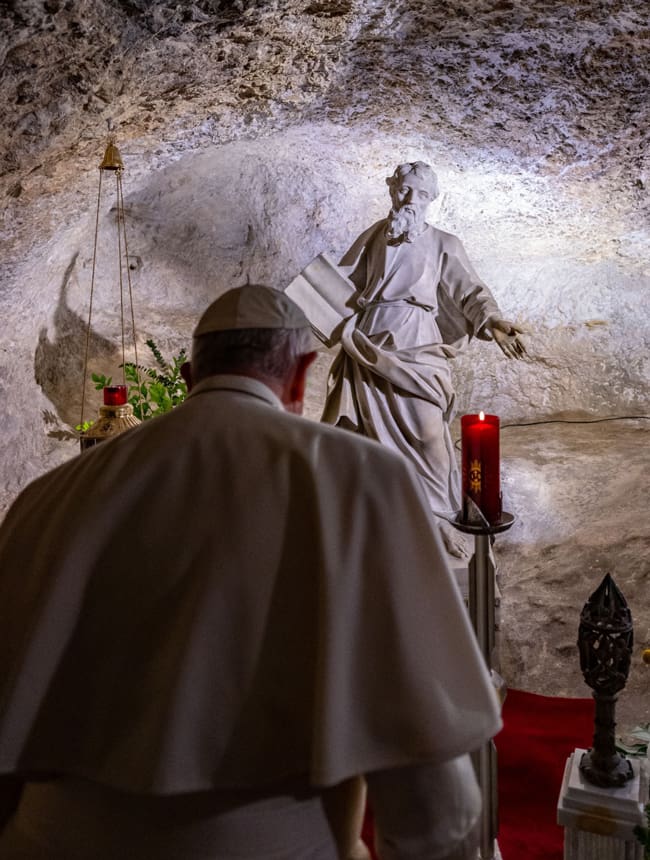
Since Saint Paul brought the Good News to Malta, the Peregrinatio A.D. 60 Sancti Pauli Apostoli is perhaps the most iconic of these paths, following the footsteps of the Apostle from his shipwreck (Acts 27: 28) in Saint Paul’s Bay to the Grotto where he stayed for three months, and on to the Saint Paul’s Catacombs in Rabat — a labyrinthine network of underground tombs that tell the story of early Christian burials. This route allows pilgrims to connect deeply with Paul’s legacy and with the very origins of Christianity in Malta, offering a unique glimpse into the early Christian practices in the Mediterranean.
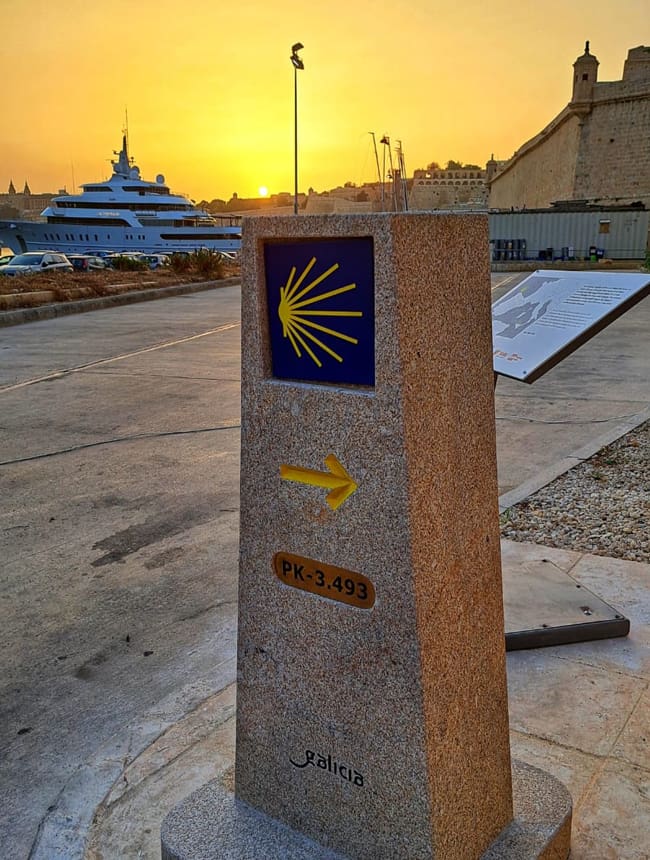
Since 2023, the Way of Saint James also began in Malta — Camino Maltés. From Saint Paul’s Grotto, it heads towards Castel Sant’Angelo, where in 1565 a handful of Knights of Saint John the Baptist and the Maltese defeated the Ottoman empire – the Great Siege – thus setting the stage for the battle of Lepanto in 1571. The Maltese and the Knights interpret this victory as due to Marian intervention. The Camino Maltés then crosses the Mediterranean, linking the Cammino di Giacomo in Sicily, the Camminu di San Jacu in Sardinia, the Catalan Aragones Way, and the Camino Frances to Compostela.
With over 359 churches in just 122 square miles, the faithful can attend Mass in a different “knisja” almost every day of the year. More than 200 of these churches are dedicated to the Virgin Mary. This deep Marian connection is evident in the Marian pilgrimages that criss-cross the islands.
For those seeking a more extensive exploration of the archipelago’s rich Marian heritage, the Melita Mariana pilgrimage that makes you enter in the heart of Malta and Gozo. The Archdiocese of Malta has designated this pilgrimage as the 2025 Jubilee Year Pilgrimage (Pilgrims of Hope). Across Malta, countless shrines and churches stand as testimonies of this profound devotion. The Sanctuary of Our Lady of Mellieħa, with its legendary associations and revered Byzantine fresco, continues to draw pilgrims seeking Mary’s blessing. In the Metropolitan Mdina Cathedral of Saint Paul, tradition marks the spot where Saint Paul met the Roman Procurator Publius. The island of Gozo is home to the remarkable Madonna Ta’ Pinu National Marian Shrine, a focal point of Maltese devotion. The shrine’s history is intertwined with numerous miraculous events, including a divine calling and apparition experienced by Karmni Grima in 1883.
Among other Marian routes, pilgrims can also experience the Camino Mariæ Melitensis AD 1432, and The Pilgrim’s Way, inaugurated in 2015, offers a meditative path leading to Gozo’s Madonna Ta’ Pinu National Sanctuary. Along the last kilometer, five niches house beautiful frescoes by Sergio Favotto, where pilgrims can pause at each niche to reflect on the Blessed Virgin Mary’s abiding love and guidance.
Final Thought
Seeing is believing and only Malta can offer this kind of Marian experience.
For more information:
For more information about the Camino Mariæ Melitensis AD 1432; Melita Mariana; A.D. 60 Peregrinatio Sancti Pauli Apostoli; Camino Maltés contact XirCammini on information@XirCammini.org or via WhatsApp on +35679046942. These religious routes and others have been developed and established through a collaborative project between XirCammini and VisitMalta. For the Camino Maltés, HeritageMalta, the Maltese Spanish embassy in Spain and local Spanish authorities were also involved.
For more information about The Pilgrim’s Way kindly visit the official Madonna Ta’ Pinu website: https://www.tapinu.org/index.php/contact


You May Also Like



About Us

We're Going On Faith, America's leading experts on faith-based group travel. Find free resources for building a thriving church travel program here.
The Latest Issue

Stay Connected!
Get the Faith Travel Minute e-newsletter delivered every month.