


Sponsored Content
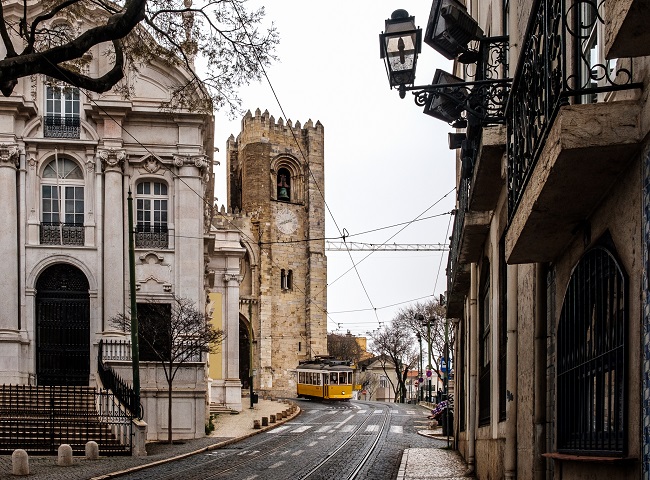
Stretching for 150 kilometres between Lisbon and Fátima, the Tagus Route offers a unique cultural and spiritual experience. Over six walking days, the path begins in the heart of the Portuguese capital and gradually leads pilgrims away from the urban rhythm towards quieter landscapes that invite reflection and discovery. Starting at Lisbon Cathedral, the first stage guides walkers through historic neighbourhoods and along the Tagus River, where the city gives way to nature and the journey gains its inner meaning.
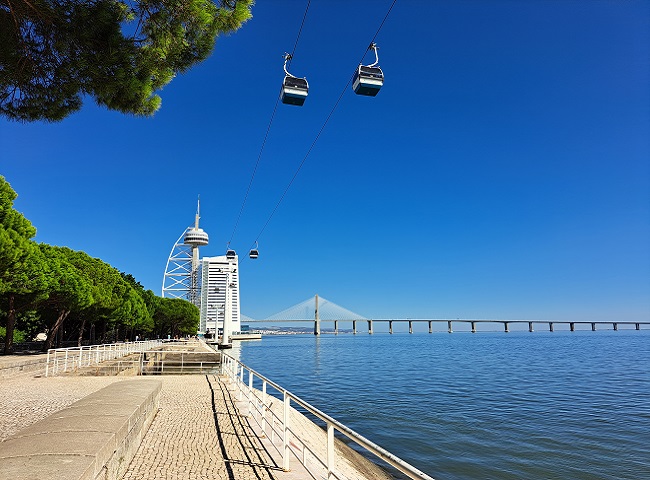
From this initial encounter with Lisbon’s heritage and atmosphere, the route moves north into the territories of Loures and Vila Franca de Xira. Here, new scenery appears — flatter horizons, villages shaped by agriculture and stretches of open land that connect the walker to the vastness of the river plains. It is a transition that mirrors the spirit of pilgrimage; each step takes travellers further from the city and closer to a more contemplative experience.
The Pilgrim’s Credential
The Pilgrim’s Credential is the symbolic passport for those who choose to walk this religious and cultural itinerary. Stamped along the way in parishes, hostels, museums, tourism offices and other welcoming places, it becomes a tangible memory of the journey and an official record of the route completed. Issued exclusively by the National Culture Centre (Centro Nacional de Cultura – CNC), it may be collected in Lisbon or requested by email or phone, and is also available at several recognised locations along the route.
The Fátima Walking Routes® App
Today, the journey can also be guided in the palm of your hand. The Fátima Walking Routes® app offers a self-guided, immersive and sustainable way to experience the Tagus Route. The interactive map provides details on accommodation, useful contacts, points of interest — including churches, monuments, gardens and museums — and places where pilgrims can stamp their Credential. Constantly updated, it supports a safe and independent experience for all walkers. The app is available for free for Android and iOS devices.
Fátima: Where the Path Finds Its Light
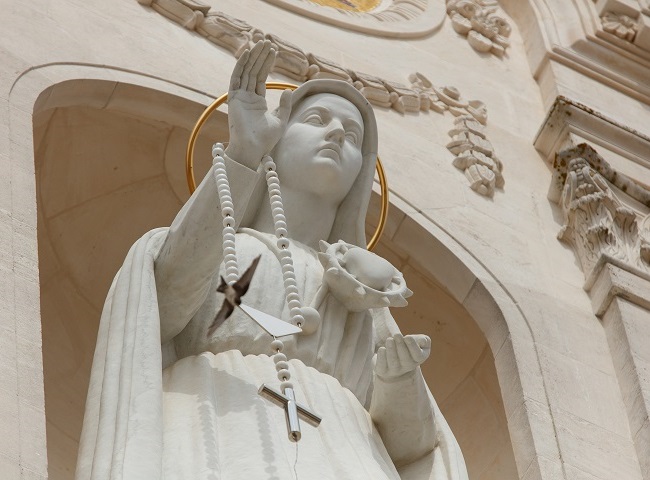
Reaching Fátima is more than arriving at a destination; it is entering a place where silence becomes light. In the Cova da Iria, where the Virgin Mary appeared to three shepherd children in 1917, stands the Sanctuary of Fátima — one of the world’s most important pilgrimage sites and a space where faith and art converge. From the Chapel of the Apparitions to the Basilica of Our Lady of the Rosary and the contemporary Church of the Holy Trinity, the sanctuary’s monumental ensemble reveals a thoughtful dialogue between tradition and modernity.
A Network of Paths, a Shared Destination
The Tagus Route is part of the broader Fátima Walking Routes, developed and certified by the National Culture Centre in partnership with various institutions and the Sanctuary of Fátima. This network offers safe, enriching and meaningful walking experiences that bring together nature, culture and spirituality — an invitation to discover landscapes, heritage and the warm hospitality of the communities along the way.